Best Companion Plants For Broad Beans
Best Companion Plants for Broad Beans
Broad beans are a hardy, versatile vegetable that can be grown in a variety of climates. They are also a nitrogen-fixing plant, which means they add nitrogen to the soil, making them a good choice for companion planting.
When companion planting, you want to choose plants that will benefit each other. Some good companion plants for broad beans include:
- Carrots: Carrots and broad beans are both root vegetables, so they don't compete for space. Carrots also help to repel pests that can damage broad beans, such as carrot flies and cabbage moths.

- Cucumbers: Cucumbers and broad beans both need full sun and well-drained soil. They also have similar water requirements. Cucumbers can help to shade the broad beans from the hot sun, and the broad beans can help to deter pests from the cucumbers.

- Lettuce: Lettuce and broad beans are both cool-season crops, so they can be planted together in early spring or fall. Lettuce doesn't need a lot of space, so it can be planted between the rows of broad beans. Lettuce also helps to suppress weeds.

- Marigolds: Marigolds are known for their insect-repelling properties. They can help to deter pests such as aphids, beetles, and whiteflies from broad beans.
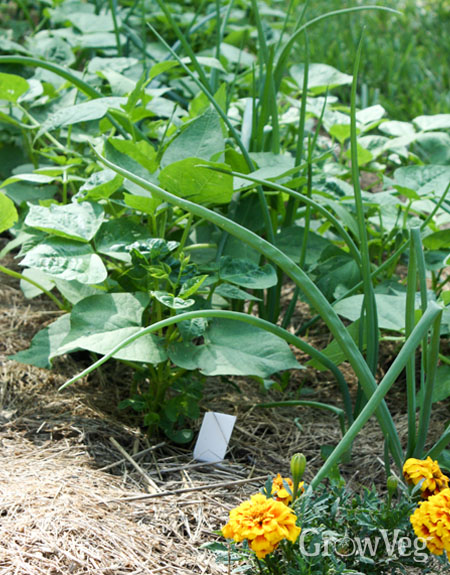
- Peas: Peas and broad beans are both legumes, so they both fix nitrogen in the soil. They can also be planted together in a double-cropping system. In this system, the peas are planted first and then the broad beans are planted after the peas have finished harvesting.

- Potatoes: Potatoes and broad beans can be planted together in a companion planting system called the Three Sisters. In this system, the corn provides support for the beans, the beans fix nitrogen in the soil, and the potatoes deter pests from the beans.

- Summer savory: Summer savory is a herb that can help to deter pests such as aphids, beetles, and bean flies from broad beans. It can also improve the flavor of the broad beans.

In addition to these plants, broad beans can also be planted near other nitrogen-fixing plants, such as alfalfa, clover, and lupines. These plants can help to improve the soil quality and provide nutrients for the broad beans.
When companion planting, it is important to consider the spacing requirements of the plants. Some plants, such as cucumbers and potatoes, need more space than others. It is also important to consider the sun and water requirements of the plants. Some plants, such as broad beans and carrots, need full sun, while others, such as lettuce, can tolerate partial shade.
By companion planting broad beans with the right plants, you can improve the yield and quality of your harvest. You can also help to deter pests and diseases, and improve the overall health of your garden.
Broad beans are a great addition to any garden, but they can be even better when they're planted with companion plants. Companion planting is the practice of planting certain plants together that benefit each other in some way. For example, broad beans are nitrogen-fixing plants, which means they can add nitrogen to the soil. This can benefit other plants that need nitrogen, such as tomatoes and cucumbers.
Some good companion plants for broad beans include:
- Corn: Corn provides support for broad beans to climb, and broad beans add nitrogen to the soil for corn.
- Potatoes: Broad beans help to repel the Colorado potato beetle, and potatoes provide shade for broad beans on hot days.
- Cucumbers: Broad beans help to deter cucumber beetles, and cucumbers help to shade broad beans from the sun.
- Marigolds: Marigolds help to repel pests, such as aphids and bean beetles, from broad beans.
- Nasturtiums: Nasturtiums help to deter pests, such as aphids and whiteflies, from broad beans.
For more information about companion planting broad beans, please visit Gardenia Inspiration. Here, you'll find a comprehensive guide to companion planting, as well as specific information about planting broad beans with other plants.
FAQ of companion planting broad beans
- What are good companion plants for broad beans?
Broad beans are good companions for many vegetables, including carrots, lettuce, marigolds, celery, peas, potatoes, parsnip, cabbage, parsley, eggplant, and corn. These plants help to deter pests and diseases, improve soil fertility, and provide shade or support for each other.
- What are bad companion plants for broad beans?
Broad beans should not be planted near alliums (such as garlic, onions, and shallots), fennel, or beetroot. These plants can stunt the growth of broad beans or compete with them for nutrients.
- How far apart should broad beans be planted?
Broad beans should be planted about 12-18 inches apart. This gives them enough space to grow and prevents them from competing for nutrients.
- When should broad beans be planted?
Broad beans can be planted in the spring or fall. However, they prefer cooler weather, so it is best to plant them in the spring in most climates.
- How long does it take for broad beans to mature?
Broad beans take about 16-20 weeks to mature. Once they are mature, you can harvest the beans by cutting the pods off the plant.
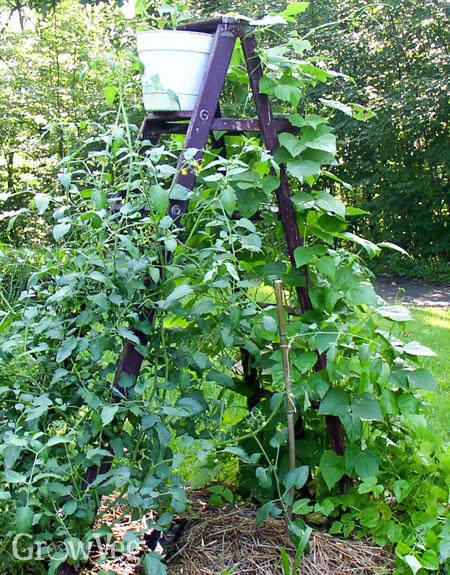
Image of companion planting broad beans
Here are 5 different images of companion planting broad beans from pinterest.com:
- Image 1: A garden bed with broad beans (left) and carrots (right). The caption says "Broad beans are a good companion plant for carrots, as they help to deter pests such as carrot root fly."
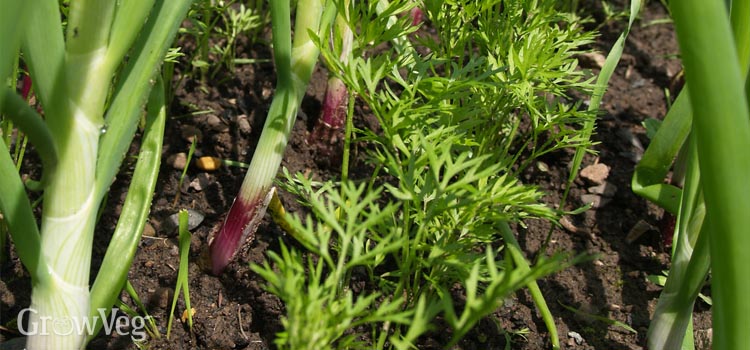
- Image 2: A garden bed with broad beans (back) and lettuce (front). The caption says "Lettuce is another good companion plant for broad beans, as it helps to suppress weeds and improve the soil quality."
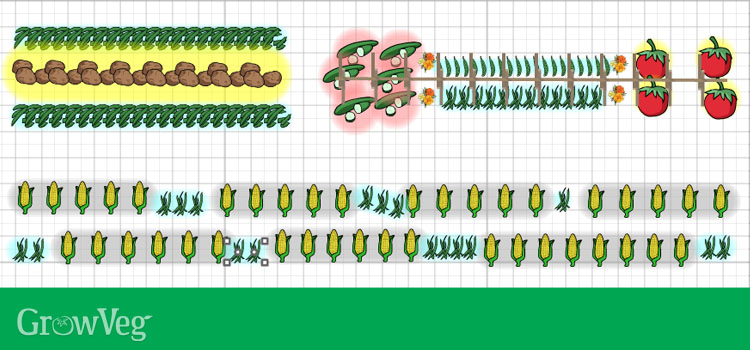
- Image 3: A garden bed with broad beans (left) and nasturtiums (right). The caption says "Nasturtiums are a great companion plant for broad beans, as they attract beneficial insects that help to control pests."
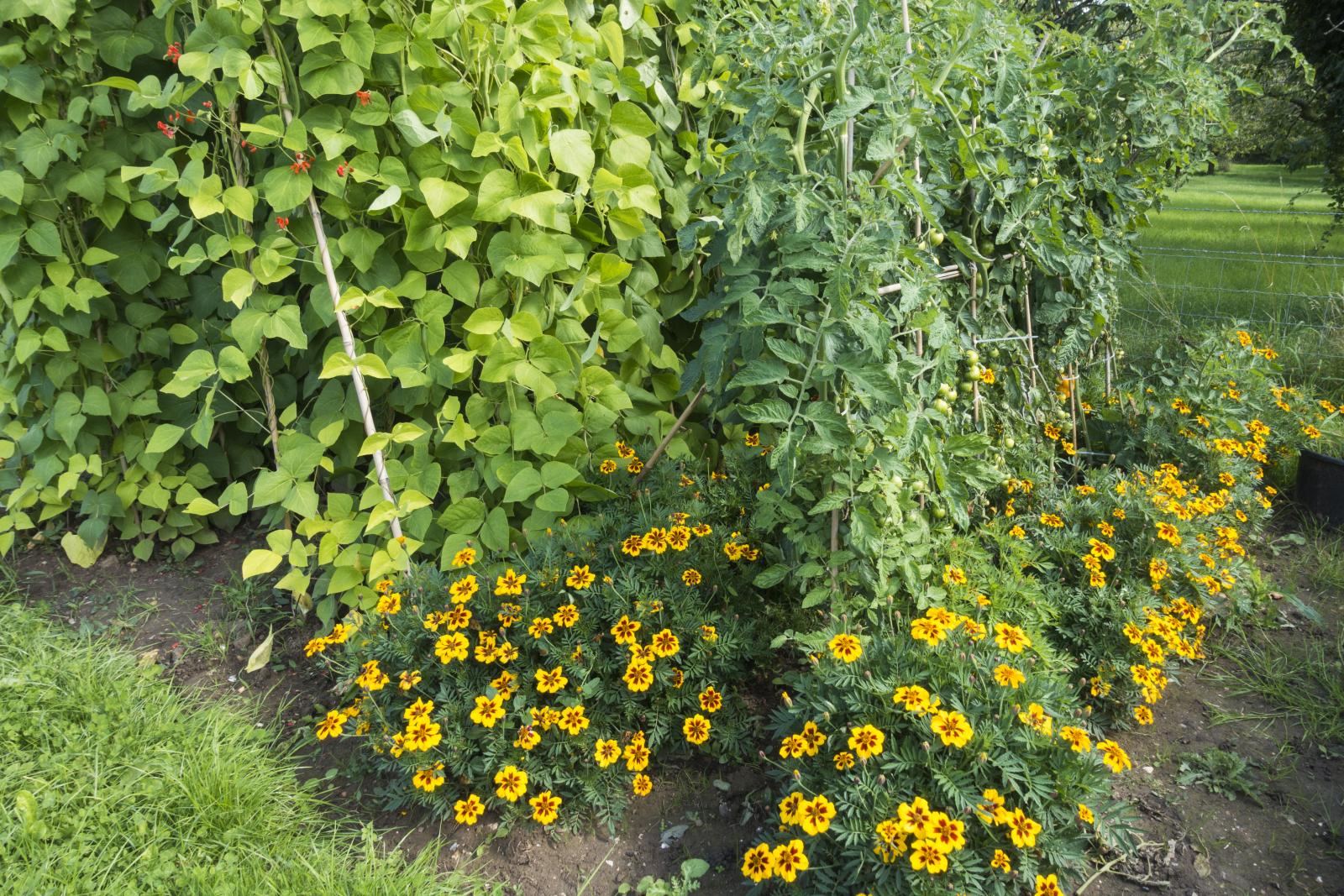
- Image 4: A garden bed with broad beans (back) and marigolds (front). The caption says "Marigolds are another good companion plant for broad beans, as they help to repel pests such as aphids and whiteflies."
- Image 5: A garden bed with broad beans (back) and tomatoes (front). The caption says "Tomatoes are a good companion plant for broad beans, as they help to improve the soil quality and provide shade from the hot sun."

Post a Comment for " Best Companion Plants For Broad Beans"